
A stress fracture is a small crack, hairline break, or weakening of the bone that develops as a result of repeated mechanical stress over time. Unlike acute fractures, which happen suddenly due to trauma such as a fall, collision, or accident, stress fractures occur gradually. They develop when bones are exposed to repetitive loading without adequate time to rest and recover.
Bones are living tissues that constantly remodel themselves in response to physical demands. When stress is applied gradually, and recovery is sufficient, bones become stronger. However, when repetitive stress exceeds the bone’s ability to repair itself, microscopic damage accumulates, eventually leading to a stress fracture.
Stress fractures most commonly affect weight-bearing bones that absorb repeated impact. These include the bones of the foot (especially the metatarsals), the ankle, the shinbone (tibia), the thigh bone (femur), the hip, and sometimes the lower spine. Because these areas support body weight and movement, they are particularly vulnerable to overuse injuries.
Although stress fractures are frequently associated with athletes—such as runners, basketball players, dancers, and military recruits—they can affect anyone. Individuals who suddenly increase their physical activity, return to exercise after a long break, or have underlying bone weakness are also at higher risk. Left untreated, stress fractures can worsen and potentially progress into complete fractures that require prolonged recovery or even surgical intervention, says Dr Karthik Gudaru, who is a top orthopaedic surgeon for sports injuries and stress fracture specialist in Hyderabad, Telangana.
Signs and Symptoms of a Stress Fracture
The symptoms of a stress fracture typically develop gradually and worsen over time. Early recognition is critical, as prompt treatment can prevent further damage and shorten recovery time.
Localized Pain
Pain is usually the first and most noticeable symptom. It often starts as a dull ache or mild discomfort during physical activity, such as running or walking. At this stage, the pain may subside with rest. As the injury progresses, the pain becomes sharper, more persistent, and more intense during activity.
Swelling and Tenderness
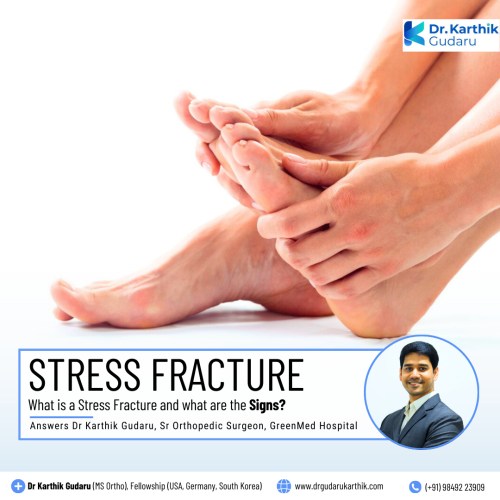
Swelling may appear around the affected area, especially in the foot or ankle. The bone may feel tender or sore when pressed, and the surrounding area may feel warm to the touch. Unlike muscle soreness, this tenderness is localised to a specific spot on the bone.
Pain That Progresses Over Time
One hallmark of stress fractures is pain that worsens gradually. Initially, pain occurs only during exercise. Over time, it may start earlier during activity, linger longer afterwards, and eventually be present during routine daily movements such as walking or standing. In more advanced cases, pain may persist even at rest.
Occasional Bruising or Redness
Although not always present, mild redness, discolouration, or bruising may develop over the injured area. This is more common in superficial bones such as those in the foot.
Changes in Movement or Performance
Individuals with stress fractures in the legs or feet may unconsciously alter their movement patterns to avoid pain. This can lead to limping, favouring one side, or reduced range of motion. Athletes may notice declining performance, difficulty completing workouts, or pain that limits training intensity.
Why Does a Stress Fracture Happen?
Stress fractures occur when repetitive stress overwhelms the bone’s natural repair process. Several contributing factors increase the likelihood of developing these injuries, says Dr Karthik Gudaru, a leading orthopaedic surgeon specialising in stress fractures in Hyderabad.
Overuse and Repetitive Stress
Activities involving repeated impact—such as running, jumping, or marching—place continuous strain on bones. Without sufficient recovery time, microscopic damage accumulates faster than the bone can heal.
Sudden Increase in Activity Level
Rapid changes in exercise intensity, duration, or frequency are among the most common causes of stress fractures. Starting a new workout program too aggressively or increasing mileage too quickly does not allow bones time to adapt.
Inadequate Footwear or Equipment
Worn-out or poorly designed shoes that lack proper cushioning and support fail to absorb shock effectively. This transfers excessive impact forces directly to the bones, increasing injury risk.
Low Bone Density or Nutritional Deficiencies
Conditions such as osteoporosis or osteopenia weaken bone structure. Inadequate intake of calcium, vitamin D, and overall calories can impair bone health and slow the healing process.
Poor Biomechanics or Muscle Imbalances
Abnormal gait, poor posture, weak core muscles, or muscle imbalances can lead to uneven stress distribution across bones. Over time, this concentrated stress can cause fractures in vulnerable areas.
Training on Hard Surfaces
Consistently exercising on rigid surfaces like concrete or asphalt increases impact forces compared to softer surfaces such as grass or tracks.
When to Seek an Orthopaedic Doctor for a Stress Fracture?
Prompt medical evaluation is essential if symptoms persist or worsen. Ignoring pain and continuing activity can cause the fracture to enlarge, leading to more severe injury and prolonged recovery.
You should seek care from an orthopaedic doctor if:
- Pain lasts more than a few days despite rest or reduced activity
- Pain becomes sharp, severe, or occurs even at rest
- Swelling or tenderness increases
- You are unable to bear weight on the affected limb
- You develop a limp or experience difficulty walking
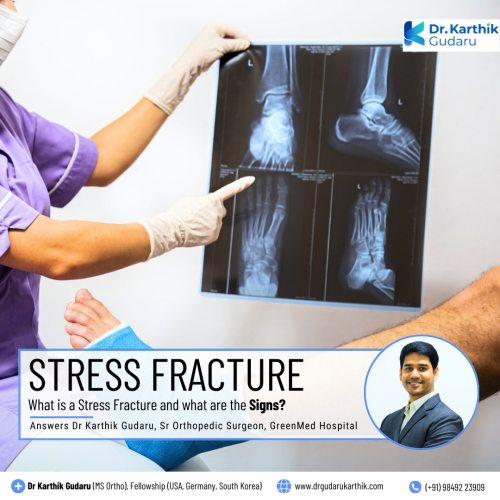
An orthopaedic specialist will perform a thorough evaluation, including a physical examination and review of activity history. Imaging tests may be ordered to confirm the diagnosis. While early stress fractures may not always appear on X-rays, MRI scans or bone scans are highly effective in detecting them.
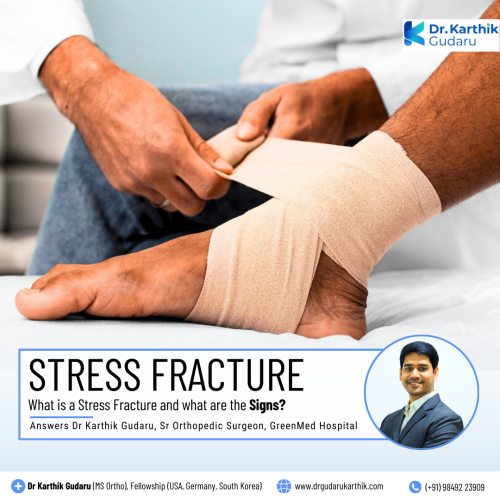
Treatment typically focuses on reducing stress on the affected bone to allow healing. This may include rest, activity modification, protective footwear, bracing, or temporary immobilisation. In some cases, crutches may be recommended to avoid weight-bearing. Physical therapy is often beneficial to address biomechanical issues, strengthen supporting muscles, and reduce the risk of recurrence.
Stress fractures are common overuse injuries that develop when bones are repeatedly stressed without sufficient recovery. While they often begin with mild discomfort, they can progress into serious injuries if ignored. Understanding the warning signs, recognising risk factors, and seeking timely orthopaedic care are essential for effective treatment and long-term bone health.
Preventive measures such as gradual training progression, proper footwear, adequate nutrition, and sufficient rest play a vital role in reducing the risk of stress fractures. By listening to your body and addressing pain early, you can protect your bones, maintain mobility, and continue physical activity safely and sustainably.

Dr Karthik Gudaru, MS Orthopaedics, MBBS, Fellowship in Knee and Hip Arthroplasty (USA), Fellowship in Computer-Assisted Navigation Joint Replacement Surgery (Germany), is one of Hyderabad’s leading orthopaedic surgeons with an outstanding reputation for precision, innovation, and excellence in joint replacement and orthopaedic care. Widely recognised as the best knee replacement specialist in Hyderabad, he brings a deep commitment to patient-centred care and cutting-edge surgical techniques.
Dr Karthik Gudaru is currently the Senior Orthopaedic and Joint Replacement Specialist, Department of Orthopaedics at GreenMed Hospital, Srinagar Colony, Hyderabad and Assistant Professor and Consultant Orthopaedic at BIRRD Hospital (Balaji Institute of Surgery, Research and Rehabilitation for the Disabled), Tirupati.
Dr Karthik Gudaru’s Treatment Specialisation are –
Knee Joint Treatments (Including Total Knee Replacement Surgery)
Shoulder Joint Treatments (Including Total Shoulder Replacement Surgery)
Hip Joint Treatments (Including Total Hip Replacement Surgery)
Elbow Joint Treatments (Including Total Elbow Arthroscopy)
Computer-Assisted Knee Replacement Surgery
Stem Cell Therapy for key orthopaedic treatments