
As winter sets in, many people—especially older adults and those with arthritis—start feeling that familiar stiffness and discomfort in their joints. The drop in temperature, reduced physical activity, and changes in air pressure can all worsen joint pain, making everyday movement difficult. According to Dr Karthik Gudaru, who is a leading Orthopaedic surgeon and one of the best knee joint replacement surgeons in Hyderabad, Telangana, explaining why joint pain increases in cold weather is the first step toward managing it effectively.
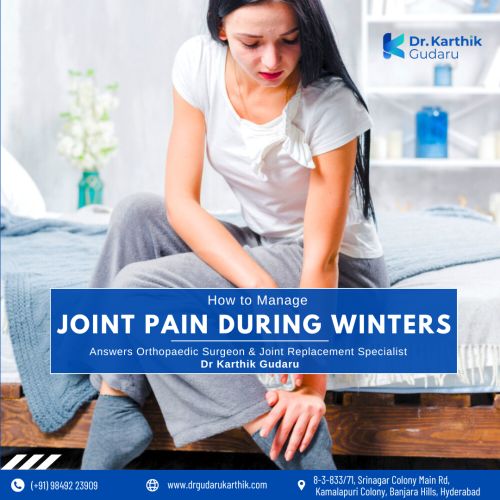
Why Do Knees Hurt More During Winters?
It’s common for people with arthritis or chronic joint issues to experience more pain during the winter months, especially in weight-bearing joints like the knees. Dr Karthik Gudaru, one of the most experienced orthopaedic knee surgeons in Hyderabad, explains that there are several reasons for this seasonal increase in pain:
- Drop in Barometric Pressure: When the weather turns cold, barometric pressure (the air pressure around us) tends to drop. This causes tissues in the body to expand slightly, putting extra pressure on nerves in the joints—especially in areas already inflamed or damaged by arthritis. The result is stiffness, swelling, and pain.
- Reduced Blood Circulation: Cold temperatures cause blood vessels to constrict, reducing blood flow to muscles and joints. Less oxygen and nutrients reach the affected areas, which can lead to stiffness and slower healing.
- Inactivity and Sedentary Lifestyle: People tend to stay indoors during winter, avoiding exercise and outdoor movement. This inactivity weakens muscles that support the joints, particularly around the knees, making them more prone to pain and stiffness.
- Dehydration and Vitamin D Deficiency: Many forget to hydrate properly during winter, and reduced sunlight exposure leads to lower Vitamin D levels—both of which can affect joint health. Vitamin D plays a crucial role in maintaining bone and cartilage strength.
How to Manage and Prevent Joint Pain During Winters?
It is recommended to have a combination of lifestyle changes, home remedies, and medical care to manage winter-related joint pain effectively.
Stay Active and Keep Moving – Movement is essential to keep joints flexible and lubricated. Low-impact exercises such as brisk walking, yoga, stretching, and swimming in heated pools can help strengthen muscles around the joints and reduce stiffness. Even gentle morning stretches before getting out of bed can make a difference.
Keep Your Body Warm – Cold muscles and joints are more prone to stiffness and pain. Always dress warmly, especially covering knees and elbows with thermal wear or knee guards when outdoors. Using hot compresses or warm baths can also relieve joint stiffness and improve circulation.
Maintain a Healthy Diet – A balanced diet rich in anti-inflammatory foods can support joint health. Include foods high in Omega-3 fatty acids (like fish, walnuts, and flaxseeds), Vitamin D (from fortified foods or supplements), and calcium (from dairy or leafy greens). Avoid excessive sugar and processed foods that can increase inflammation.
Stay Hydrated – Even if you don’t feel thirsty, make sure to drink enough water. Dehydration can reduce the lubrication in joints, leading to more friction and pain during movement.
Watch Your Weight – Extra body weight puts more stress on the knees, hips, and lower back. Maintaining an optimal weight through a balanced diet and regular exercise can significantly reduce joint discomfort, especially in winter when mobility tends to drop.
Use Heat Therapy – Applying heat packs, warm towels, or soaking in warm water helps relax muscles and ease stiffness. However, you need to take caution not to apply direct heat for too long as it can irritate the skin—always keep a layer of cloth between your skin and the heat source.
Massage and Physiotherapy – Gentle oil massage using warm sesame or mustard oil improves blood circulation and muscle flexibility. Regular physiotherapy sessions can also strengthen surrounding muscles and improve joint mobility.
Please note: People with diabetes are more prone to developing a condition known as periarthritis of the shoulder, commonly referred to as frozen shoulder or adhesive capsulitis. This occurs due to changes in the connective tissues surrounding the shoulder joint, which can become thickened, inflamed, and stiff. High blood sugar levels can affect collagen and other soft tissues, reducing their elasticity and leading to restricted shoulder movement.
Over time, this results in pain, stiffness, and difficulty in performing everyday activities such as combing hair, dressing, or reaching overhead. Proper blood sugar control, along with early physiotherapy and medical intervention, can help manage symptoms and restore mobility.
Consult an Orthopaedic Specialist
If joint pain persists despite these measures, consult an orthopaedic specialist. They can evaluate whether it’s due to arthritis, vitamin deficiency, or another underlying condition and suggest targeted treatments like supplements, injections, or minimally invasive procedures.
Winter joint pain is common but not inevitable, says Dr Karthik Gudaru. Simple habits—staying active, eating right, and keeping your body warm—can go a long way in protecting your joints. Early management and consistent care are key to living pain-free, no matter the season.
Joint pain during winter is mainly caused by reduced circulation, low activity, and changes in air pressure. By adopting warmth, regular movement, a nutritious diet, and timely medical guidance, you can keep your joints healthy and mobile throughout the cold months.

Dr Karthik Gudaru, MS Orthopaedics, MBBS, Fellowship in Knee and Hip Arthroplasty (USA), Fellowship in Computer-Assisted Navigation Joint Replacement Surgery (Germany), is one of Hyderabad’s leading orthopaedic surgeons with an outstanding reputation for precision, innovation, and excellence in joint replacement and orthopaedic care. Widely recognised as the best knee replacement specialist in Hyderabad, he brings a deep commitment to patient-centred care and cutting-edge surgical techniques.
Dr Karthik Gudaru is currently the Senior Orthopaedic and Joint Replacement Specialist, Department of Orthopaedics at GreenMed Hospital, Srinagar Colony, Hyderabad, Assistant Professor and Consultant Orthopaedic at BIRRD Hospital (Balaji Institute of Surgery, Research and Rehabilitation for the Disabled), Tirupati and Joint Replacement & Pediatric Orthopedic Specialist at Sri Maruthi Hospitals, Tirupati.
Dr Karthik Gudaru’s Treatment Specialisation are –
Knee Joint Treatments (Including Total Knee Replacement Surgery).
Shoulder Joint Treatments (Including Total Shoulder Replacement Surgery).
Hip Joint Treatments (Including Total Hip Replacement Surgery).
Elbow Joint Treatments (Including Total Elbow Arthroscopy).
Computer-Assisted Knee Replacement Surgery.
Stem Cell Therapy for key orthopaedic treatments.
Pediatric Orthopedics Surgeon for Cerebral Palsy, Congenital Anomalies, Poliomyelitis & Metabolic Bone Diseases