
As we age, our bodies naturally undergo changes that can affect the joints, muscles, and bones. One of the most common conditions affecting older adults is arthritis, which can cause pain, stiffness, and reduced mobility. Managing arthritis effectively is crucial to maintaining independence, staying active, and enjoying a better quality of life in old age. Understanding the condition and adopting the right strategies can make a significant difference in day-to-day comfort and overall health. Explains Dr Karthik Gudaru, a leading orthopaedic doctor and surgeon for arthritis treatment in Hyderabad, Telangana.
What is Arthritis?
Arthritis is a term used to describe inflammation of the joints. It is not a single disease but a group of conditions that affect the joints and surrounding tissues. The two most common types of arthritis in older adults are:
Osteoarthritis (OA) – Often referred to as “wear and tear” arthritis, OA occurs when the protective cartilage at the ends of bones gradually breaks down, leading to pain, stiffness, and swelling in the joints. It typically affects the knees, hips, hands, and spine.
Rheumatoid Arthritis (RA) – RA is an autoimmune disorder where the body’s immune system attacks the lining of the joints, causing inflammation, pain, and potential joint deformity. RA can affect multiple joints symmetrically and may also involve other organs.
Other types of arthritis include gout, psoriatic arthritis, and lupus-related arthritis, but OA and RA remain the most prevalent in older adults.
Symptoms of Arthritis – Common signs of arthritis include:
- Joint pain and tenderness
- Swelling around the affected joint
- Stiffness, especially in the morning or after periods of inactivity
- Reduced range of motion and difficulty performing daily tasks
- Fatigue (particularly in rheumatoid arthritis)
Early diagnosis and proper management can significantly reduce the impact of these symptoms.
How to Manage Arthritis in Old Age?
Managing arthritis involves a combination of lifestyle changes, medical treatments, and supportive therapies. Here are effective strategies:
Medications
- Pain relievers: Acetaminophen or NSAIDs (like ibuprofen) can help reduce pain and inflammation.
- Disease-modifying drugs: In RA, medications like methotrexate or biologics can slow disease progression.
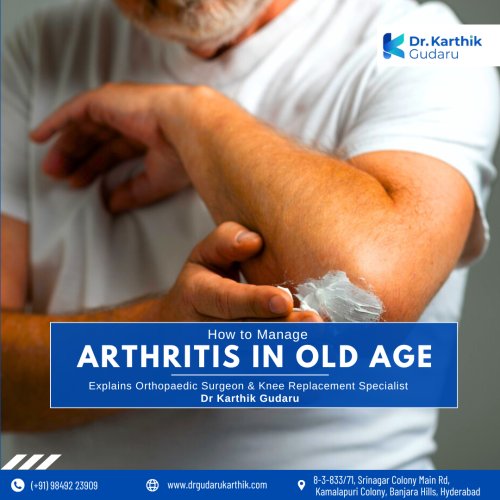
- Topical creams: Pain-relief gels or patches may help with localised joint pain.
Physical Activity
- Regular exercise improves joint flexibility, strengthens muscles, and reduces stiffness.
- Low-impact exercises such as walking, swimming, yoga, and cycling are ideal for older adults.
- Physiotherapy can provide tailored exercises to protect and strengthen affected joints.
Weight Management
- Maintaining a healthy weight reduces stress on weight-bearing joints like knees and hips, which can significantly decrease pain.
Diet and Nutrition
- A balanced diet rich in anti-inflammatory foods (like fruits, vegetables, fatty fish, and nuts) can help manage symptoms.
- Adequate calcium and vitamin D intake support bone health.
Assistive Devices
- Using walking aids, braces, or specially designed footwear can improve mobility and reduce strain on joints.
Alternative Therapies
- Practices such as acupuncture, massage, or hydrotherapy may provide additional relief for some individuals.
Lifestyle Adjustments
- Taking breaks during activities, avoiding overexertion, and using ergonomic tools at home can help protect joints.
- Warm baths or heating pads can ease stiffness, while cold packs can reduce swelling.
Regular Medical Check-ups
Monitoring the progression of arthritis and adjusting treatment as needed is essential for long-term joint health.
Arthritis in old age is common, but with the right combination of medical care, lifestyle changes, and supportive therapies, it can be effectively managed. Staying active, maintaining a healthy diet, and following prescribed treatments can help older adults maintain mobility, reduce pain, and continue enjoying daily activities with independence and comfort. Early intervention and consistent management are the keys to living well with arthritis.
When Surgery Might Be Needed?
In some cases, when arthritis becomes severe and non-surgical treatments fail to relieve pain or restore function, surgery may be considered. This typically occurs when joints are severely damaged or when daily activities are significantly impaired. Surgical procedures, such as joint replacement, can help improve mobility, reduce pain, and enhance the quality of life for older adults. Surgery is generally seen as a last resort, after medications, physical therapy, and lifestyle changes have been tried.

Dr Karthik Gudaru, MS Orthopaedics, MBBS, Fellowship in Knee and Hip Arthroplasty (USA), Fellowship in Computer-Assisted Navigation Joint Replacement Surgery (Germany), is one of Hyderabad’s leading orthopaedic surgeons with an outstanding reputation for precision, innovation, and excellence in joint replacement and orthopaedic care. Widely recognised as the best knee replacement specialist in Hyderabad, he brings a deep commitment to patient-centred care and cutting-edge surgical techniques.
Dr Karthik Gudaru is currently the Senior Orthopaedic and Joint Replacement Specialist, Department of Orthopaedics at GreenMed Hospital, Srinagar Colony, Hyderabad, Assistant Professor and Consultant Orthopaedic at BIRRD Hospital (Balaji Institute of Surgery, Research and Rehabilitation for the Disabled), Tirupati and Joint Replacement & Pediatric Orthopedic Specialist at Sri Maruthi Hospitals, Tirupati.
Dr Karthik Gudaru’s Treatment Specialisation are –
Knee Joint Treatments (Including Total Knee Replacement Surgery).
Shoulder Joint Treatments (Including Total Shoulder Replacement Surgery).
Hip Joint Treatments (Including Total Hip Replacement Surgery).
Elbow Joint Treatments (Including Total Elbow Arthroscopy).
Computer-Assisted Knee Replacement Surgery.
Stem Cell Therapy for key orthopaedic treatments.
Pediatric Orthopedics Surgeon for Cerebral Palsy, Congenital Anomalies, Poliomyelitis & Metabolic Bone Diseases