
Childhood is one of the most important stages for bone development. During these years, the body builds bone strength that supports growth, movement, and long-term skeletal health. Many parents assume that if a child is heavier, their bones must be stronger because they carry more weight. However, the reality is more complicated.
Excess body fat can interfere with healthy bone formation, increase pressure on joints, and raise the chances of injuries. Childhood obesity is not only linked to metabolic or heart-related conditions but can also influence how bones grow, strengthen, and function throughout life. Understanding this connection helps parents take preventive steps early and support their child’s overall physical development, shares Dr Karthik Gudaru, a senior orthopaedic surgeon and one of the specialist pediatric orthopaedic doctors in Hyderabad and Telangana.
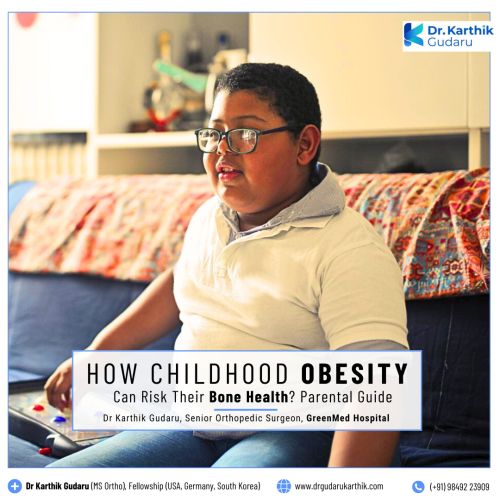
Understanding Bone Growth in Children
Bones are living tissues that continuously grow and change during childhood and adolescence. The body deposits minerals into bones, making them stronger and denser. Physical activity plays a major role in this process because movement stimulates bone strengthening. Proper nutrition, including calcium, vitamin D, and protein, is also essential for healthy bone formation.
If children do not develop strong bones during their growth years, they may face bone weakness or higher fracture risk later in life. This is why maintaining a healthy balance between body weight, nutrition, and activity is important during childhood.
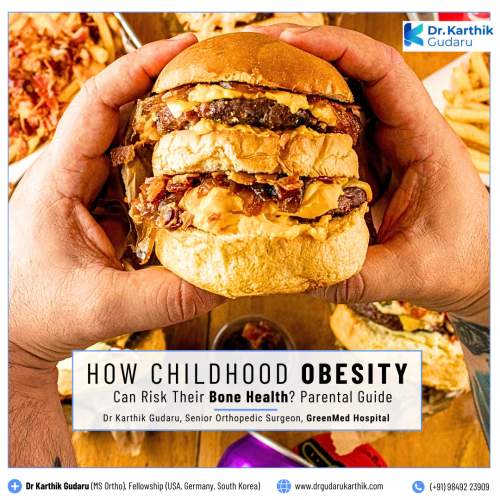
How Excess Body Fat Affects Bone Quality?
While body weight does put some pressure on bones that can stimulate growth, too much body fat can create problems. Excess fat tissue can release substances that may interfere with normal bone development. Instead of becoming stronger, bones may become less efficient at handling stress.
In children with obesity, bones sometimes do not strengthen at the same rate as body weight increases. This imbalance can make bones more vulnerable to injuries. Additionally, obesity can influence hormone balance, which plays a key role in bone growth and development.
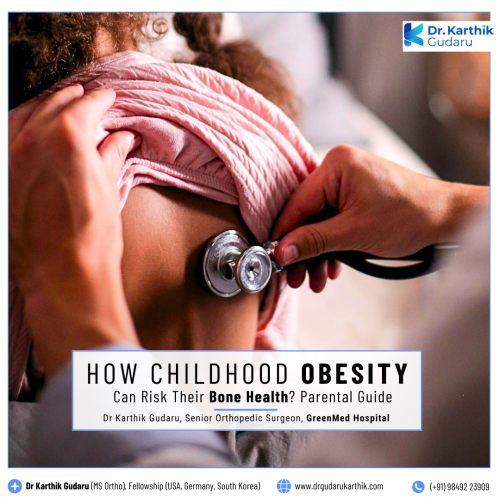
Higher Risk of Fractures and Injuries
Children with obesity often experience higher stress on their bones and joints. When falls or accidents happen, the impact force is greater because of higher body weight. If bone strength has not developed proportionally, the chances of fractures can increase.
Growth plates, which are soft areas at the ends of bones responsible for length growth, are especially vulnerable. Excess weight can put additional pressure on these areas, sometimes leading to injuries or growth-related problems. Lower limb fractures, especially around the ankle, leg, or knee, are more commonly seen in children carrying excess weight.
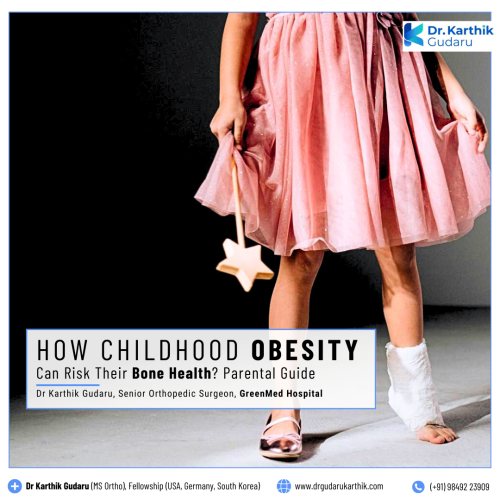
Impact on Joints and Mobility
Obesity can affect how children move, walk, and participate in physical activities. Extra body weight increases strain on joints such as the knees, hips, and ankles. Over time, this can lead to pain, stiffness, and reduced flexibility.
When children experience discomfort while moving, they may avoid physical activity. This creates a cycle where reduced movement further weakens bones and muscles. Lack of activity can also reduce bone density and overall skeletal strength. In some cases, posture and walking patterns may change due to weight distribution, which can lead to long-term joint stress.
Long-Term Bone Health Concerns
If obesity affects bone development during childhood, the effects can continue into adulthood. Poor bone mass development during early years may increase the risk of bone weakness later in life. Hormonal changes associated with obesity can also influence how bones repair and rebuild themselves.
Since the foundation of lifelong bone health is built during childhood, maintaining a healthy weight and active lifestyle is important to reduce long-term skeletal risks.
Role of Nutrition and Physical Activity
Healthy bones require consistent nutritional support and regular physical movement. Calcium supports bone structure, vitamin D helps the body absorb calcium, and protein supports tissue repair and growth.
Physical activities like running, jumping, sports, and outdoor play help stimulate bone strengthening. Sunlight exposure also supports vitamin D production, which is essential for bone health. A balanced diet combined with regular activity supports both weight management and skeletal strength.
Pediatric Orthopaedic Care: When to Seek Help for Your Child?
Parents should think about specialist evaluation if bone or joint-related symptoms appear or if mobility problems are noticeable. Early medical attention can help identify growth-related issues and prevent complications.
If a child frequently complains about joint pain, especially in the knees or hips, it may indicate excess stress on joints. Repeated bone injuries or fractures should also not be ignored. Difficulty walking, limping, or avoiding physical activity because of pain may signal underlying orthopaedic concerns.
Visible posture changes, uneven leg alignment, or delayed physical milestones may also require evaluation. A pediatric orthopedic specialist can assess bone growth, check for growth plate stress, evaluate fracture risk, and guide safe physical activity plans. They can also help coordinate weight management strategies that support healthy bone development without stressing the joints.
How Parents Can Support Healthy Bone Development?
Parents play a key role in protecting their child’s bone health. Encouraging daily movement, promoting outdoor activities, and providing balanced nutrition can make a major difference. Monitoring gradual and healthy weight changes rather than rapid weight gain helps support bone adaptation. Regular pediatric check-ups help track growth patterns and detect any early warning signs.
Childhood obesity is more than a weight issue; it can directly affect bone strength, joint health, and long-term skeletal development. Since childhood is the most critical period for building strong bones, maintaining a balance of healthy weight, proper nutrition, and physical activity is essential. With awareness, early lifestyle changes, and timely medical consultation when needed, parents can help ensure their children develop strong bones and maintain healthy mobility throughout life.

Dr Karthik Gudaru, MS Orthopaedics, MBBS, Fellowship in Knee and Hip Arthroplasty (USA), Fellowship in Computer-Assisted Navigation Joint Replacement Surgery (Germany), is one of Hyderabad’s leading orthopaedic surgeons with an outstanding reputation for precision, innovation, and excellence in joint replacement and orthopaedic care. Widely recognised as the best knee replacement specialist in Hyderabad, he brings a deep commitment to patient-centred care and cutting-edge surgical techniques.
Dr Karthik Gudaru is currently the Senior Orthopaedic and Joint Replacement Specialist, Department of Orthopaedics at GreenMed Hospital, Srinagar Colony, Hyderabad, Assistant Professor and Consultant Orthopaedic at BIRRD Hospital (Balaji Institute of Surgery, Research and Rehabilitation for the Disabled), Tirupati and Joint Replacement & Pediatric Orthopedic Specialist at Sri Maruthi Hospitals, Tirupati.
Dr Karthik Gudaru’s Treatment Specialisation are –
Knee Joint Treatments (Including Total Knee Replacement Surgery).
Shoulder Joint Treatments (Including Total Shoulder Replacement Surgery).
Hip Joint Treatments (Including Total Hip Replacement Surgery).
Elbow Joint Treatments (Including Total Elbow Arthroscopy).
Computer-Assisted Knee Replacement Surgery.
Stem Cell Therapy for key orthopaedic treatments.
Pediatric Orthopedics Surgeon for Cerebral Palsy, Congenital Anomalies, Poliomyelitis & Metabolic Bone Diseases