
Recognising Osteoporosis in Indian Women: Symptoms and Prevention Insights from Hyderabad’s Orthopaedic Surgeon Dr Karthik Gudaru
Summary
- Osteoporosis is common among women and often develops without obvious symptoms in the early stages.
- Warning signs such as persistent back pain, height loss, or fractures after minor injuries should not be ignored.
- A combination of proper nutrition, regular exercise, and timely screening can significantly reduce the risk of osteoporosis and protect bone health.
This Article is Medically Reviewed by Dr Karthik Gudaru, MS Orthopaedics, Fellowship in Computer-Assisted Navigation and Joint Replacement Surgery (Germany), HOD Orthopaedic Department, GreenMed Hospitals, Hyderabad
As an orthopedic surgeon, I often meet women who dismiss early signs of osteoporosis as simple body aches. Over the years, I’ve seen how ignoring these subtle symptoms can lead to fractures, posture changes, and long‑term complications. My goal is to help Indian women recognize these warning signals early, understand the risks, and take preventive steps—whether through lifestyle changes, nutrition, or timely medical care. Protecting bone health is not just about treatment; it’s about empowering women to live stronger, healthier lives. – Dr Karthik Gudaru
Osteoporosis is often described as a “silent disease” because bone loss develops gradually and usually shows no clear symptoms until a fracture occurs. In India, osteoporosis is becoming increasingly common among women due to hormonal changes, nutritional deficiencies, and lifestyle factors. Many women only discover the condition after experiencing a fracture from a minor fall or injury.
Bone health is particularly important for women because bone density begins to decline more rapidly after menopause due to reduced estrogen levels. In addition, factors such as low calcium intake, vitamin D deficiency, and limited physical activity can accelerate bone loss.
Unfortunately, awareness about osteoporosis remains relatively low in India. Many women mistake the early warning signs for normal ageing or general body pain. Recognising the early symptoms and adopting preventive measures can help protect bone strength and reduce the risk of fractures later in life, shares Dr Karthik Gudaru, who is a Senior Orthopaedic Surgeon for osteoporosis in Hyderabad and India.
What Is Osteoporosis and Why Are Indian Women at Higher Risk?
Osteoporosis is a condition in which bones become porous, fragile, and more prone to fractures. Healthy bones constantly rebuild themselves, but with osteoporosis, the rate of bone loss becomes greater than the rate of bone formation.
Several factors make Indian women particularly vulnerable to osteoporosis. Hormonal changes after menopause play a major role, but lifestyle and nutritional factors also contribute. Many women consume diets that are relatively low in calcium and vitamin D, both of which are essential for maintaining bone density. Limited exposure to sunlight further worsens vitamin D deficiency, which is already common in India.
Another contributing factor is a sedentary lifestyle. Modern work patterns and reduced physical activity can weaken bones and muscles over time. When bones are not regularly stressed through movement and exercise, they tend to lose density more quickly.
Dr Karthik states that “Osteoporosis often progresses silently for years before a fracture occurs. Awareness, early screening, and a bone-friendly lifestyle are essential to protecting long-term skeletal health, especially for women after menopause.”
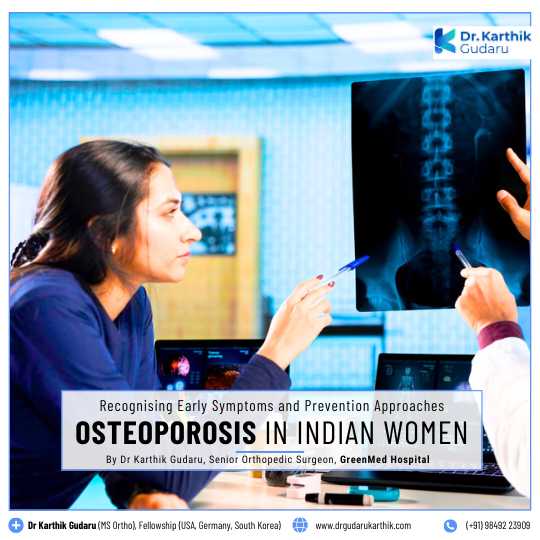
What Are the Early Symptoms of Osteoporosis?
In its early stages, osteoporosis rarely causes noticeable symptoms. However, certain subtle changes may indicate declining bone health.
Persistent or unexplained back pain can sometimes be an early warning sign, particularly if it results from small fractures in the vertebrae. Gradual loss of height over the years may also indicate weakening spinal bones. Some women may develop a slightly stooped posture due to compression fractures in the spine.
Another possible indicator is frequent fractures that occur after relatively minor injuries, such as slipping on the floor or lifting a moderately heavy object. When bones become fragile, even small impacts can lead to fractures in areas such as the wrist, hip, or spine.
Because these symptoms are often mistaken for general ageing or muscle pain, many cases of osteoporosis remain undiagnosed until the condition becomes more severe.
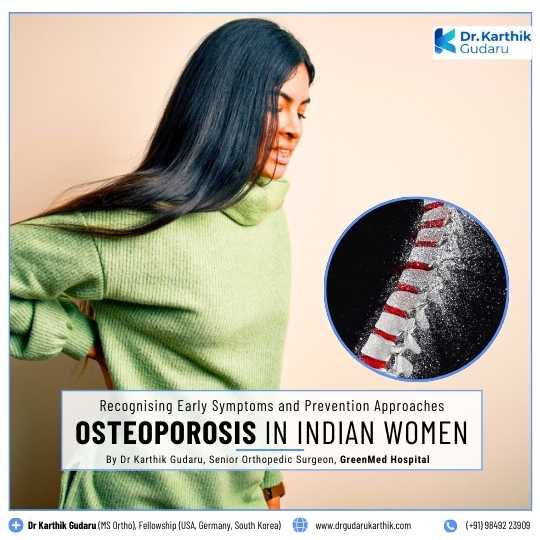
How Can You Differentiate Normal Body Pain from Osteoporosis-Related Pain?
Many women experience occasional aches due to fatigue, physical work, or ageing. However, pain associated with osteoporosis has certain characteristics that make it different.
| Feature | Normal Body Pain | Osteoporosis-Related Pain |
|---|---|---|
| Cause | Muscle strain, fatigue, or overuse | Bone weakness or small fractures |
| Duration | Improves with rest or mild treatment | Often persistent or recurring |
| Common Location | Muscles and joints | Back, spine, hips, or wrists |
| Physical Changes | No visible changes | Possible height loss or stooped posture |
What Are the Major Risk Factors for Osteoporosis in Women?
Osteoporosis can affect anyone, but some factors increase the likelihood of developing the condition. Age is one of the most significant factors, as bone density naturally declines over time. Women who experience early menopause may face an increased risk because the protective effects of estrogen decrease sooner.
Family history can also play a role. If close relatives have experienced osteoporosis or fractures related to weak bones, the risk may be higher.
Lifestyle habits can strongly influence bone health as well. Poor nutrition, low calcium intake, lack of sunlight exposure, and minimal physical activity can gradually weaken bones. Smoking and excessive alcohol consumption may further accelerate bone loss.
Recognising these risk factors early allows women to make lifestyle adjustments that help protect bone health.
Why Is Early Screening Important?
Since osteoporosis develops silently, screening is an important step in early detection. Bone mineral density testing, commonly performed through a DEXA scan, helps measure bone strength and determine fracture risk.
Screening is especially recommended for women after menopause or those who have experienced unexplained fractures. Early diagnosis allows doctors to recommend lifestyle changes, nutritional improvements, and treatment if necessary.
Identifying bone loss early can significantly reduce the chances of severe fractures, which often lead to long recovery periods and reduced mobility.
What Prevention Strategies Can Help Maintain Bone Health?
Preventing osteoporosis largely depends on maintaining strong bones throughout life. Healthy habits adopted early can significantly reduce the risk later on.
A balanced diet rich in calcium is essential for bone strength. Dairy products, green leafy vegetables, almonds, and sesame seeds are good dietary sources of calcium. Vitamin D is equally important because it helps the body absorb calcium effectively. Spending time in sunlight and consuming vitamin D-rich foods can support this process.
Regular physical activity also plays a key role in maintaining bone density. Weight-bearing exercises such as walking, climbing stairs, and strength training help stimulate bone formation and keep bones strong.
Maintaining a healthy body weight, limiting smoking, and moderating alcohol consumption are additional steps that can protect bone health over time.
Understanding osteoporosis and taking preventive steps early can help women maintain mobility, independence, and overall quality of life as they age.

Dr Karthik Gudaru, MS Orthopaedics, MBBS, Fellowship in Knee and Hip Arthroplasty (USA), Fellowship in Computer-Assisted Navigation Joint Replacement Surgery (Germany), is one of Hyderabad’s leading orthopaedic surgeons with an outstanding reputation for precision, innovation, and excellence in joint replacement and orthopaedic care. Widely recognised as the best knee replacement specialist in Hyderabad, he brings a deep commitment to patient-centred care and cutting-edge surgical techniques.
Dr Karthik Gudaru is currently the Senior Orthopaedic and Joint Replacement Specialist, Department of Orthopaedics at GreenMed Hospital, Srinagar Colony, Hyderabad, Assistant Professor and Consultant Orthopaedic at BIRRD Hospital (Balaji Institute of Surgery, Research and Rehabilitation for the Disabled), Tirupati and Joint Replacement & Pediatric Orthopedic Specialist at Sri Maruthi Hospitals, Tirupati.
Dr Karthik Gudaru’s Treatment Specialisation are –
Knee Joint Treatments (Including Total Knee Replacement Surgery).
Shoulder Joint Treatments (Including Total Shoulder Replacement Surgery).
Hip Joint Treatments (Including Total Hip Replacement Surgery).
Elbow Joint Treatments (Including Total Elbow Arthroscopy).
Computer-Assisted Knee Replacement Surgery.
Stem Cell Therapy for key orthopaedic treatments.
Pediatric Orthopedics Surgeon for Cerebral Palsy, Congenital Anomalies, Poliomyelitis & Metabolic Bone Diseases