
Children in India are growing up in diverse environments — from urban cities to rural villages — with differing access to healthcare, nutrition, and physical activity. Their bones and joints are constantly developing, making them more prone to specific orthopaedic (bone and muscle-related) problems. Pediatric orthopaedics focuses on diagnosing, treating, and preventing such musculoskeletal issues in children.
Common causes of these problems include nutritional deficiencies, infections, injuries, congenital defects, and poor posture habits. Early detection and proper management are crucial, as untreated orthopaedic conditions can affect a child’s physical development and overall quality of life.
What are some of the common pediatric orthopaedic problems in Indian Children?
Dr Karthik Gudaru, who is one of the highly experienced pediatric orthopaedic surgeons in Hyderabad, Telangana, shares insights on some of them below:
1. Congenital Talipes Equinovarus (Clubfoot)
One of the most common congenital deformities seen in Indian newborns is clubfoot, where a baby’s foot is twisted inward and downward. This condition affects about 1 in every 1,000 live births. The exact cause may involve genetic and environmental factors, but it can often be corrected if treated early. The Ponseti method, involving gentle manipulation and casting, is the standard treatment. In severe cases, minor surgery might be needed. If untreated, the child may face difficulties in walking and lifelong disability.
2. Developmental Dysplasia of the Hip (DDH)
DDH refers to improper development of the hip joint, where the hip socket does not fully cover the ball of the thigh bone. It can occur in newborns or infants, especially females. Early signs include asymmetrical skin folds on the thighs or a noticeable limp when the child begins walking. Regular screening in infancy helps in early diagnosis. Treatment may involve bracing in infants or corrective surgery in older children. Delayed treatment can lead to hip dislocation, pain, and arthritis in adulthood.
3. Rickets and Nutritional Bone Problems
In India, rickets remains a major cause of bone deformities in children, particularly in lower-income and rural areas. It occurs due to vitamin D deficiency, often from lack of sunlight exposure or poor diet. Children with rickets may have bowed legs, delayed walking, and soft, weak bones. Nutritional deficiencies in calcium and phosphorus also contribute to this problem. Prevention includes ensuring adequate intake of calcium, vitamin D supplementation, and exposure to sunlight.
4. Cerebral Palsy-Related Orthopaedic Issues
Children with cerebral palsy (CP) often develop orthopaedic complications due to muscle imbalance and poor coordination. Common problems include joint contractures, scoliosis (spinal curvature), and hip dislocation. Regular physiotherapy, braces, and in some cases orthopaedic surgery are needed to improve mobility. With timely intervention, children with CP can achieve better physical function and independence.
5. Flat Feet and Knock Knees
Many Indian children develop flat feet (absence of foot arch) or knock knees (knees touch but ankles stay apart) during early growth years. In most cases, these are temporary and resolve naturally. However, persistent or severe deformities may indicate underlying conditions such as rickets or obesity. Proper footwear, physiotherapy, and monitoring by an orthopaedic specialist can prevent complications.
6. Scoliosis and Postural Deformities
With increased screen time and reduced physical activity, postural issues like scoliosis (sideways curvature of the spine) and kyphosis (hunched back) are becoming more common among school-age children. Poor posture while studying or using mobile devices contributes to these conditions. Mild cases can be managed with physiotherapy and posture correction, but severe scoliosis may require surgical correction.
7. Fractures and Sports Injuries
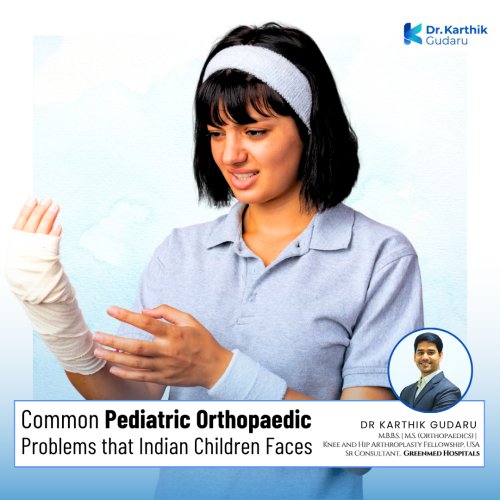
Active children are prone to fractures, especially in the wrist, elbow, and forearm. In India, road accidents, playground injuries, and falls are common causes. Children’s bones heal faster than adults’, but growth plate injuries need special attention to avoid long-term deformities. Additionally, the rising popularity of sports has led to an increase in ligament and muscle injuries. Proper safety measures, warm-up exercises, and supervision during play are essential to prevent such injuries.
8. Infection-Related Bone Disorders
Infections like osteomyelitis (bone infection) and septic arthritis (joint infection) are still seen among Indian children, especially in rural or low-immunity populations. These infections can result from poor hygiene, malnutrition, or untreated injuries. Prompt diagnosis, antibiotic therapy, and sometimes surgery are needed to prevent permanent damage to the bones and joints.
Pediatric orthopaedic problems among Indian children reflect a combination of genetic, nutritional, infectious, and environmental factors. Timely diagnosis, proper nutrition, and increased awareness among parents can prevent many of these conditions from becoming disabling. Regular health check-ups, access to pediatric orthopedic care, and health education programs — especially in rural areas — are vital to ensuring that every child grows up with strong bones, proper posture, and healthy movement.
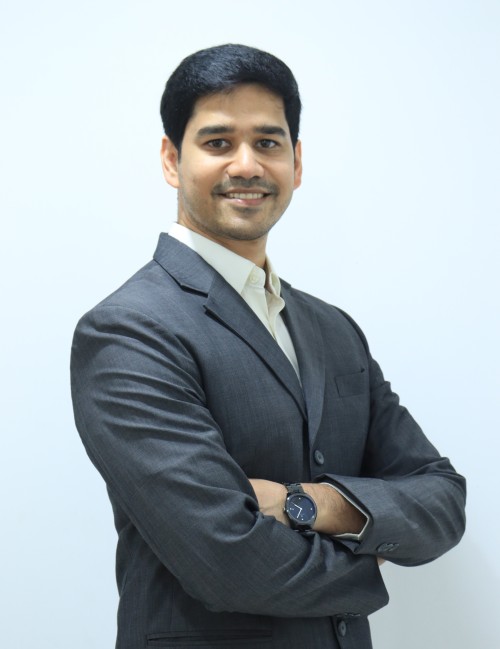
Dr Karthik Gudaru, MS Orthopaedics, MBBS, Fellowship in Knee and Hip Arthroplasty (USA), Fellowship in Computer-Assisted Navigation Joint Replacement Surgery (Germany), is one of Hyderabad’s leading orthopaedic surgeons with an outstanding reputation for precision, innovation, and excellence in joint replacement and orthopaedic care. Widely recognised as the best knee replacement specialist in Hyderabad, he brings a deep commitment to patient-centred care and cutting-edge surgical techniques.
Dr Karthik Gudaru is currently the Senior Orthopaedic and Joint Replacement Specialist, Department of Orthopaedics at GreenMed Hospital, Srinagar Colony, Hyderabad, Assistant Professor and Consultant Orthopaedic at BIRRD Hospital (Balaji Institute of Surgery, Research and Rehabilitation for the Disabled), Tirupati and Joint Replacement & Pediatric Orthopedic Specialist at Sri Maruthi Hospitals, Tirupati.
Dr Karthik Gudaru’s Treatment Specialisation are –
Knee Joint Treatments (Including Total Knee Replacement Surgery).
Shoulder Joint Treatments (Including Total Shoulder Replacement Surgery).
Hip Joint Treatments (Including Total Hip Replacement Surgery).
Elbow Joint Treatments (Including Total Elbow Arthroscopy).
Computer-Assisted Knee Replacement Surgery.
Stem Cell Therapy for key orthopaedic treatments.
Pediatric Orthopedics Surgeon for Cerebral Palsy, Congenital Anomalies, Poliomyelitis & Metabolic Bone Diseases