
Orthopaedic Problems in Pregnancy: Care Tips to Manage Back Pain, Pelvic Strain, and Bone Issues by Hyderabad’s Orthopedic Surgeon Dr Karthik Gudaru
This Article is Medically Reviewed by Dr Karthik Gudaru, MS Orthopaedics, Fellowship in Computer-Assisted Navigation and Joint Replacement Surgery (Germany), HOD Orthopedic Department, GreenMed Hospitals, Hyderabad
Key Takeaways / Summary
Simple lifestyle adjustments—such as maintaining good posture, staying physically active, using supportive footwear, and sleeping in proper positions—can significantly help manage and reduce pain.
Orthopedic discomfort is common during pregnancy due to hormonal changes, weight gain, and shifting posture, which can place additional stress on the spine, joints, and pelvic region.
Common issues include back pain, pelvic girdle pain, joint discomfort, and nerve-related symptoms, but most of these are temporary and improve after pregnancy.
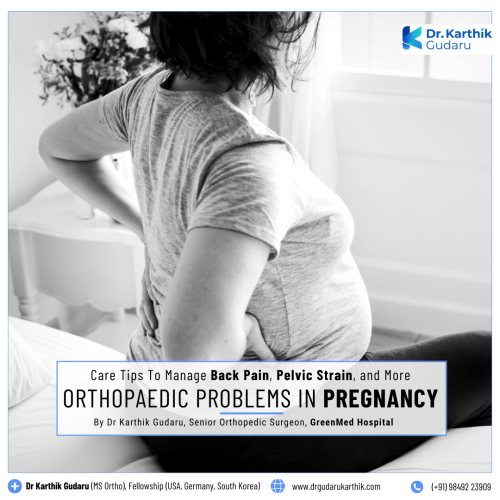
Pregnancy is a beautiful and transformative journey, but it also brings many physical changes to a woman’s body. As the baby grows, the body adapts in multiple ways to support the developing fetus and prepare for childbirth. These changes can sometimes place extra stress on the bones, joints, muscles, and ligaments. As a result, many women experience orthopedic problems during pregnancy, including back pain, pelvic strain, joint discomfort, and posture-related issues.
Orthopedic discomfort during pregnancy is very common. Studies suggest that a large percentage of pregnant women experience lower back pain or pelvic pain at some point during their pregnancy. While these symptoms are usually temporary, they can affect daily activities, sleep quality, and overall comfort. Understanding why these orthopedic problems occur and learning how to manage them effectively can help expectant mothers stay comfortable and active throughout their pregnancy.
This article explains why orthopedic problems occur during pregnancy and offers practical care tips to manage back pain, pelvic strain, and other common musculoskeletal issues, as shared by Dr Karthik Gudaru, a Senior Orthopaedic Surgeon and a specialised knee replacement specialist in Hyderabad.
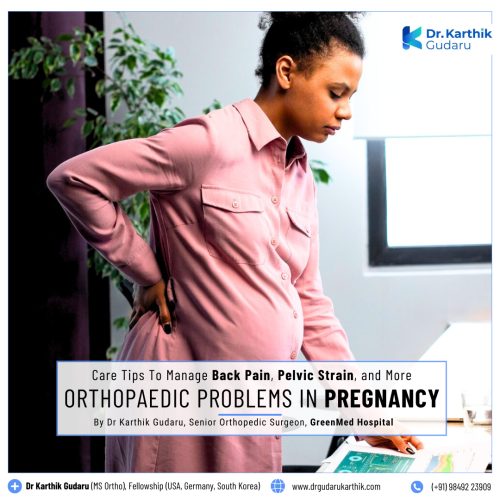
Why Do Orthopedic Problems Occur During Pregnancy?
Orthopedic problems during pregnancy occur due to a combination of hormonal, physical, and biomechanical changes in the body. These changes are necessary for supporting the baby and preparing the body for delivery, but they can also place extra strain on the musculoskeletal system.
Dr Karthik says. “Taking care of your musculoskeletal health during pregnancy not only eases discomfort but also helps you stay active and strong for the journey to motherhood.”
Hormonal Changes
During pregnancy, the body produces higher levels of hormones such as relaxin and progesterone. These hormones help loosen the ligaments and joints in the pelvis so the body can prepare for childbirth. However, this increased flexibility can also reduce joint stability. As a result, joints in the pelvis, hips, and lower back may become more vulnerable to strain, leading to discomfort or pain.
Weight Gain
Healthy weight gain is an essential part of pregnancy, but the additional weight places extra pressure on the spine, hips, knees, and ankles. The body’s musculoskeletal system has to support both the mother’s weight and the growing baby. This extra load can cause muscle fatigue, joint stress, and back pain, especially during the later stages of pregnancy.
Postural Changes
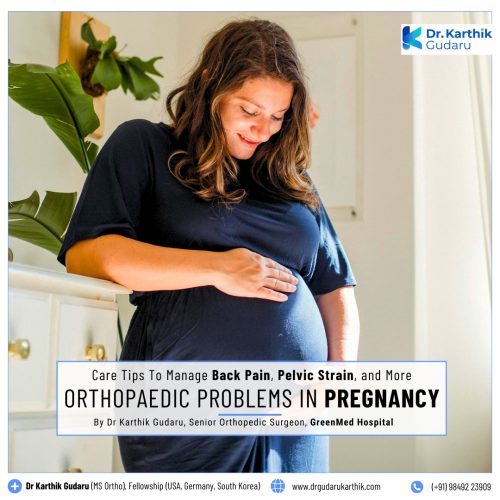
As the baby grows, the centre of gravity shifts forward. To maintain balance, many pregnant women unconsciously adjust their posture by leaning backwards or arching their lower back. This change in posture increases the curvature of the spine, which can place additional strain on the lower back and pelvic region, leading to discomfort.
Abdominal Muscle Stretching
The abdominal muscles stretch significantly as the uterus expands. These muscles normally help support the spine and maintain posture. When they become stretched and weakened during pregnancy, the back muscles must work harder to support the body, which can lead to lower back pain.
Reduced Physical Activity
Some women reduce their physical activity during pregnancy due to fatigue, nausea, or fear of harming the baby. However, reduced activity can lead to weaker muscles and decreased joint support, which may contribute to orthopedic discomfort.
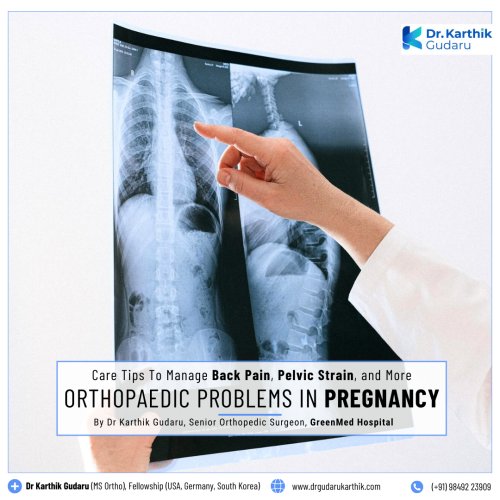
Common Orthopaedic Problems During Pregnancy
Several musculoskeletal issues are commonly experienced by pregnant women.
Lower Back Pain:
Lower back pain is the most common orthopaedic complaint during pregnancy. It is often caused by the combined effects of weight gain, posture changes, and ligament relaxation.
Pelvic Girdle Pain:
This condition causes pain in the front or back of the pelvis and may worsen while walking, climbing stairs, or turning in bed.
Sciatic Nerve Pain:
Pressure on the sciatic nerve can cause pain that radiates from the lower back down to the legs.
Joint Pain:
Hips, knees, and ankles may feel sore due to the increased body weight and shifting posture.
Carpal Tunnel Syndrome:
Some pregnant women experience numbness or tingling in their hands due to fluid retention that compresses nerves in the wrist.
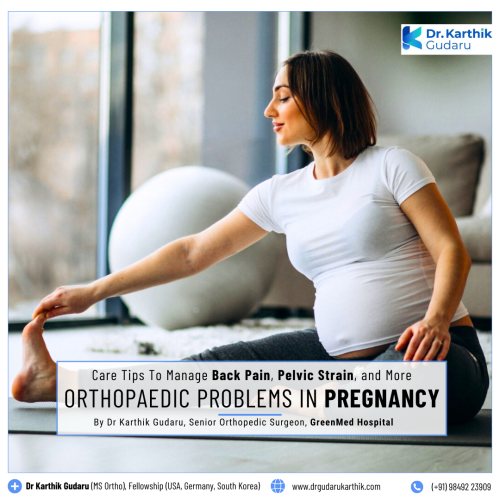
Care Tips to Manage Orthopedic Pain During Pregnancy
Although orthopedic problems are common during pregnancy, several simple care strategies can help reduce discomfort and support musculoskeletal health.
Maintain Good Posture
Proper posture can significantly reduce strain on the spine and pelvis. Pregnant women should try to stand straight with their shoulders relaxed and avoid arching their lower back excessively. When sitting, using a chair with good back support can help maintain proper spinal alignment.
Practice Pregnancy-Safe Exercise
Regular gentle exercise can strengthen muscles and improve flexibility. Activities such as walking, prenatal yoga, and swimming are excellent choices for pregnant women. These exercises support the spine, improve circulation, and help reduce muscle tension.
Use Supportive Footwear
Wearing comfortable shoes with good arch support can help reduce pressure on the back and joints. High heels should be avoided, as they can worsen posture and increase the risk of falls.
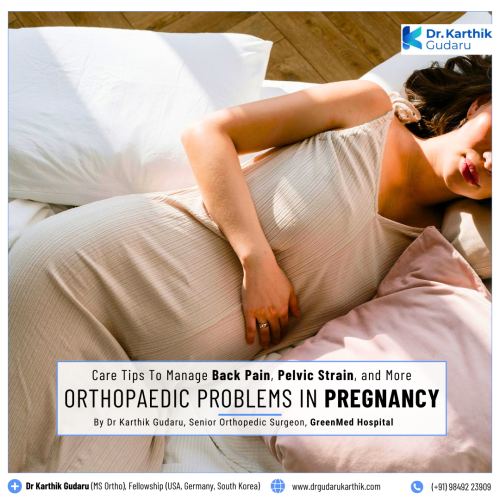
Sleep in a Comfortable Position
Sleeping on the side with a pillow between the knees can reduce strain on the hips and lower back. Many pregnant women also find relief by using a pregnancy support pillow to support the belly and back.
Lift Objects Carefully
When lifting objects, pregnant women should bend their knees and keep their back straight rather than bending from the waist. This technique reduces stress on the lower back.
Apply Heat or Cold Therapy
Warm compresses or cold packs can help relieve muscle tension and reduce inflammation. However, heat should not be applied directly to the abdomen.
Wear a Maternity Support Belt
A maternity belt provides additional support to the lower back and abdomen, helping distribute weight more evenly and reducing strain on the spine and pelvis.

Seek Professional Guidance
If pain becomes severe or persistent, consulting a healthcare provider or physiotherapist is recommended. They can suggest specific exercises, stretches, or treatments that are safe during pregnancy.
Orthopedic problems during pregnancy are common due to hormonal changes, weight gain, posture shifts, and muscle stretching. While these changes are a natural part of pregnancy, they can sometimes lead to discomfort such as back pain, pelvic strain, and joint pain.
Fortunately, most orthopedic issues can be managed with proper care, healthy posture, gentle exercise, and supportive lifestyle adjustments. By understanding the causes of these problems and following appropriate care strategies, pregnant women can reduce discomfort and maintain better musculoskeletal health throughout their pregnancy.
With the right support and self-care practices, expectant mothers can focus on enjoying their pregnancy journey while keeping their bodies strong and comfortable.

Dr Karthik Gudaru, MS Orthopaedics, MBBS, Fellowship in Knee and Hip Arthroplasty (USA), Fellowship in Computer-Assisted Navigation Joint Replacement Surgery (Germany), is one of Hyderabad’s leading orthopaedic surgeons with an outstanding reputation for precision, innovation, and excellence in joint replacement and orthopaedic care. Widely recognised as the best knee replacement specialist in Hyderabad, he brings a deep commitment to patient-centred care and cutting-edge surgical techniques.
Dr Karthik Gudaru is currently the Senior Orthopaedic and Joint Replacement Specialist, Department of Orthopaedics at GreenMed Hospital, Srinagar Colony, Hyderabad, Assistant Professor and Consultant Orthopaedic at BIRRD Hospital (Balaji Institute of Surgery, Research and Rehabilitation for the Disabled), Tirupati and Joint Replacement & Pediatric Orthopedic Specialist at Sri Maruthi Hospitals, Tirupati.
Dr Karthik Gudaru’s Treatment Specialisation are –
Knee Joint Treatments (Including Total Knee Replacement Surgery).
Shoulder Joint Treatments (Including Total Shoulder Replacement Surgery).
Hip Joint Treatments (Including Total Hip Replacement Surgery).
Elbow Joint Treatments (Including Total Elbow Arthroscopy).
Computer-Assisted Knee Replacement Surgery.
Stem Cell Therapy for key orthopaedic treatments.
Pediatric Orthopedics Surgeon for Cerebral Palsy, Congenital Anomalies, Poliomyelitis & Metabolic Bone Diseases